Rubus ursinus <br>CALIFORNIA TRAILING PACIFIC BLACKBERRY
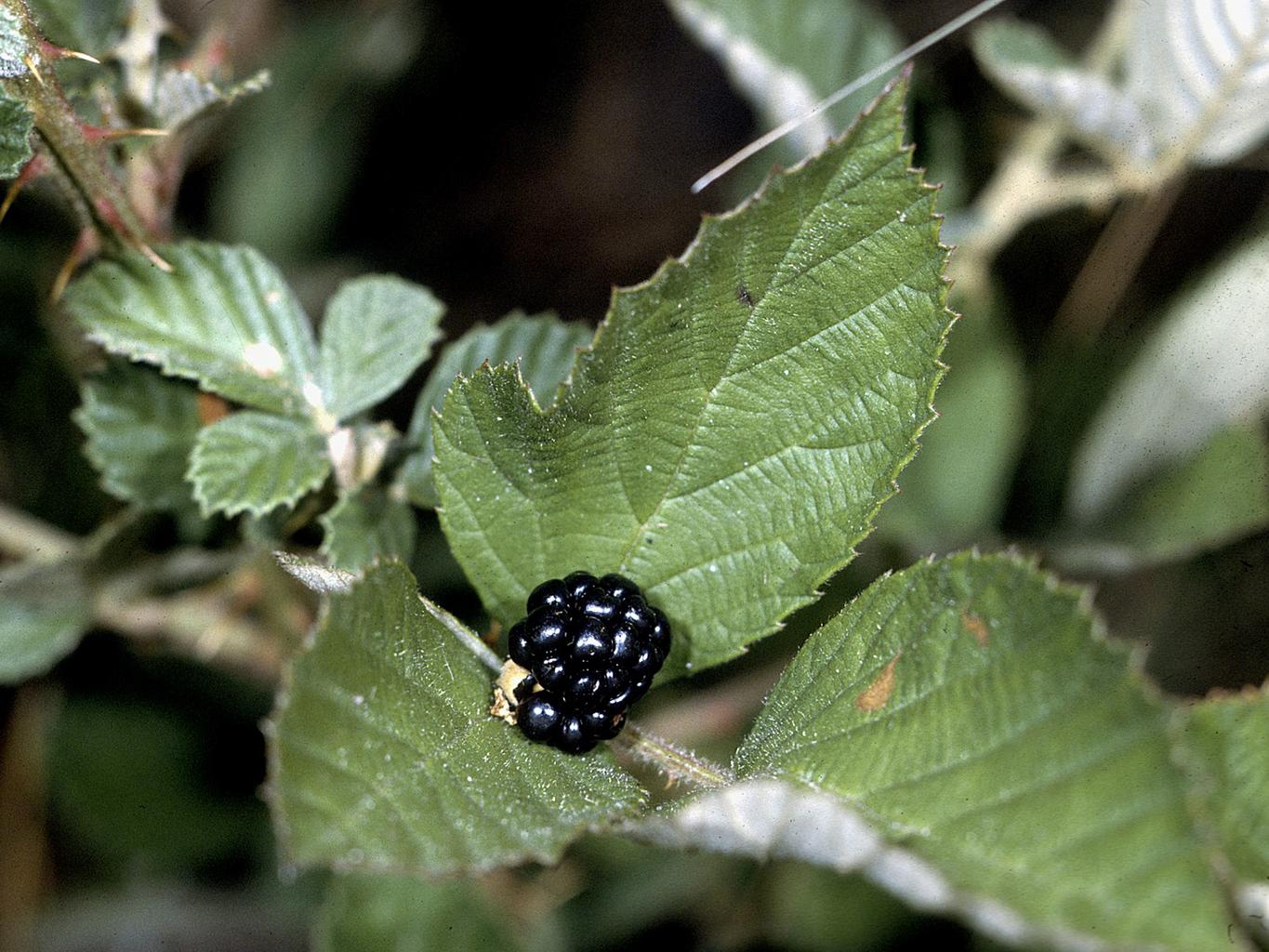
Rubus ursinus is a North American species of blackberry or dewberry, known by the common names California blackberry, California dewberry, Douglas berry, Pacific blackberry, Pacific dewberry and trailing blackberry. The plant is native to western North America.
The plant is cultivated for its fruit, and also ornamental plant qualities. It is planted in home, native plant, and wildlife gardens, and in natural landscaping projects. It can be trained on fences and trellising.
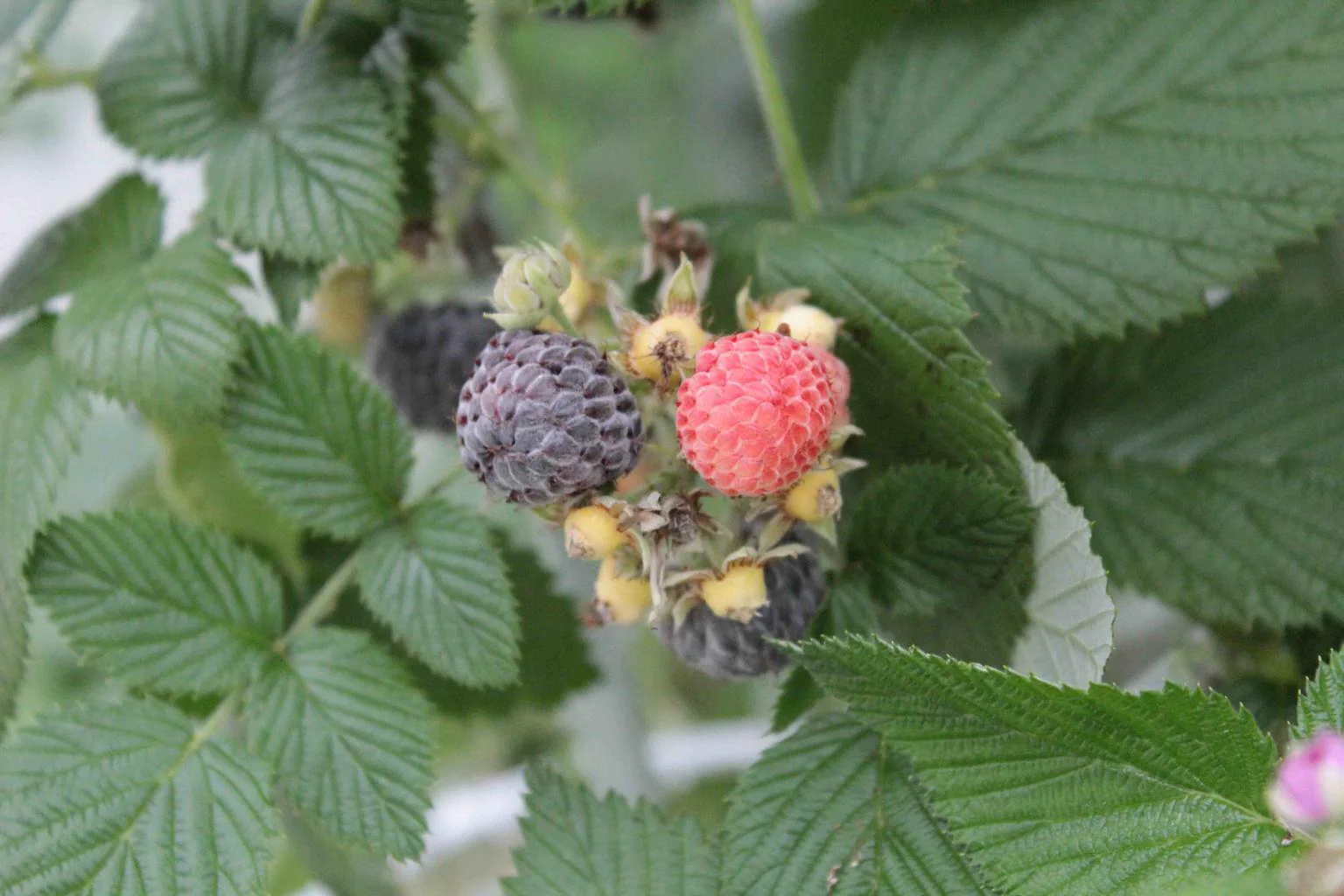
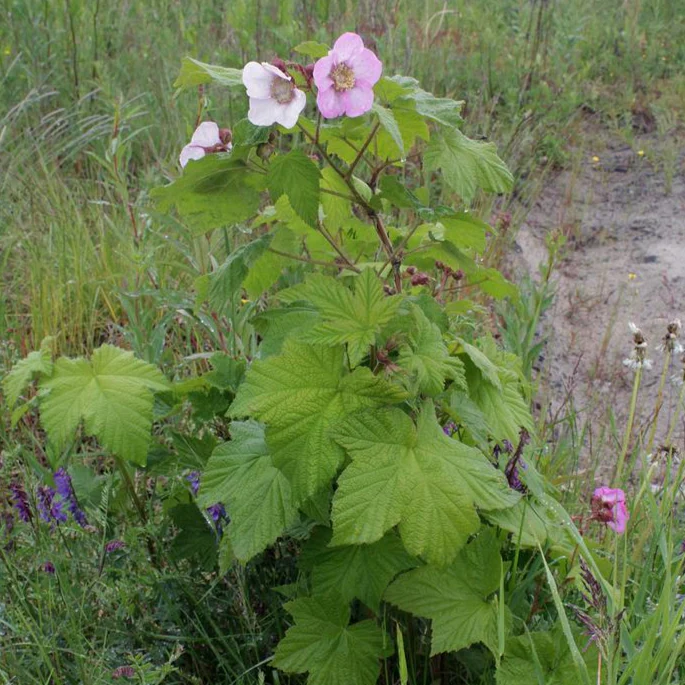
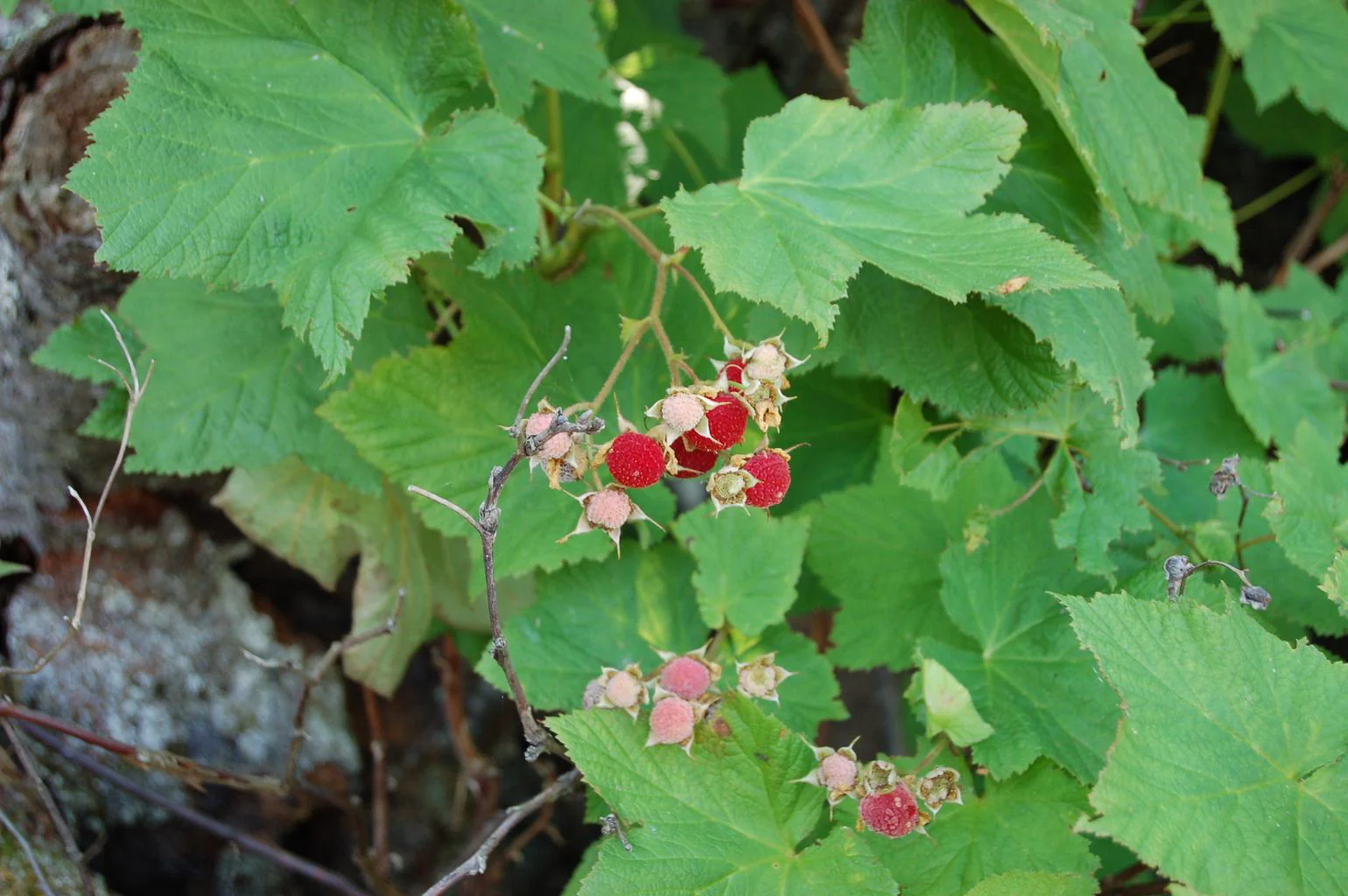
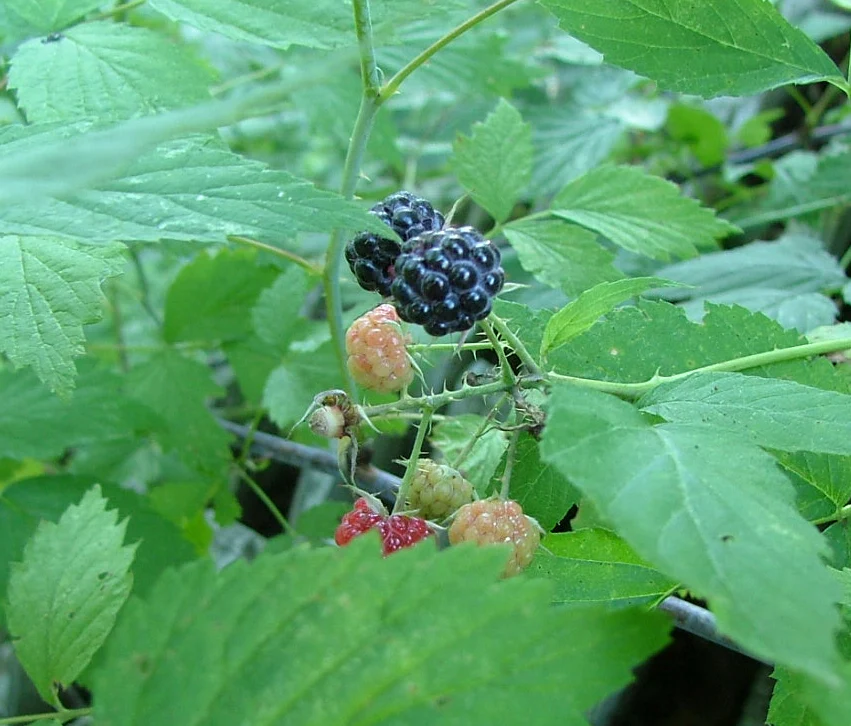
The flowers are white with narrower petals than most related species, and are fragrant. The sweet, very aromatic, edible fruits are dark purple, dark red, or black and up to 2cm (3/4") in length.
Diverse wildlife eat the berries, including songbirds, deer, bear, and other large and small mammals. It is of notable pollinator and nesting material value for native bee and bumble bee species. This blackberry species is a larval food source for Papilio rutulus (the western tiger swallowtail butterfly), Nymphalis antiopa (the mourning cloak butterfly), Strymon melinus (the gray hairstreak butterfly), and Celastrina ladon (the spring azure butterfly).
Type: Hardy shrub
Hardiness zones: 3-9
Height: 2-5', .6-1.5m
Location: Sun or part sun
Seeds per packet: 25
Product Information
Product Information
Shipping & Returns
Shipping & Returns
Rubus ursinus <br>CALIFORNIA TRAILING PACIFIC BLACKBERRY
Rubus ursinus <br>CALIFORNIA TRAILING PACIFIC BLACKBERRY
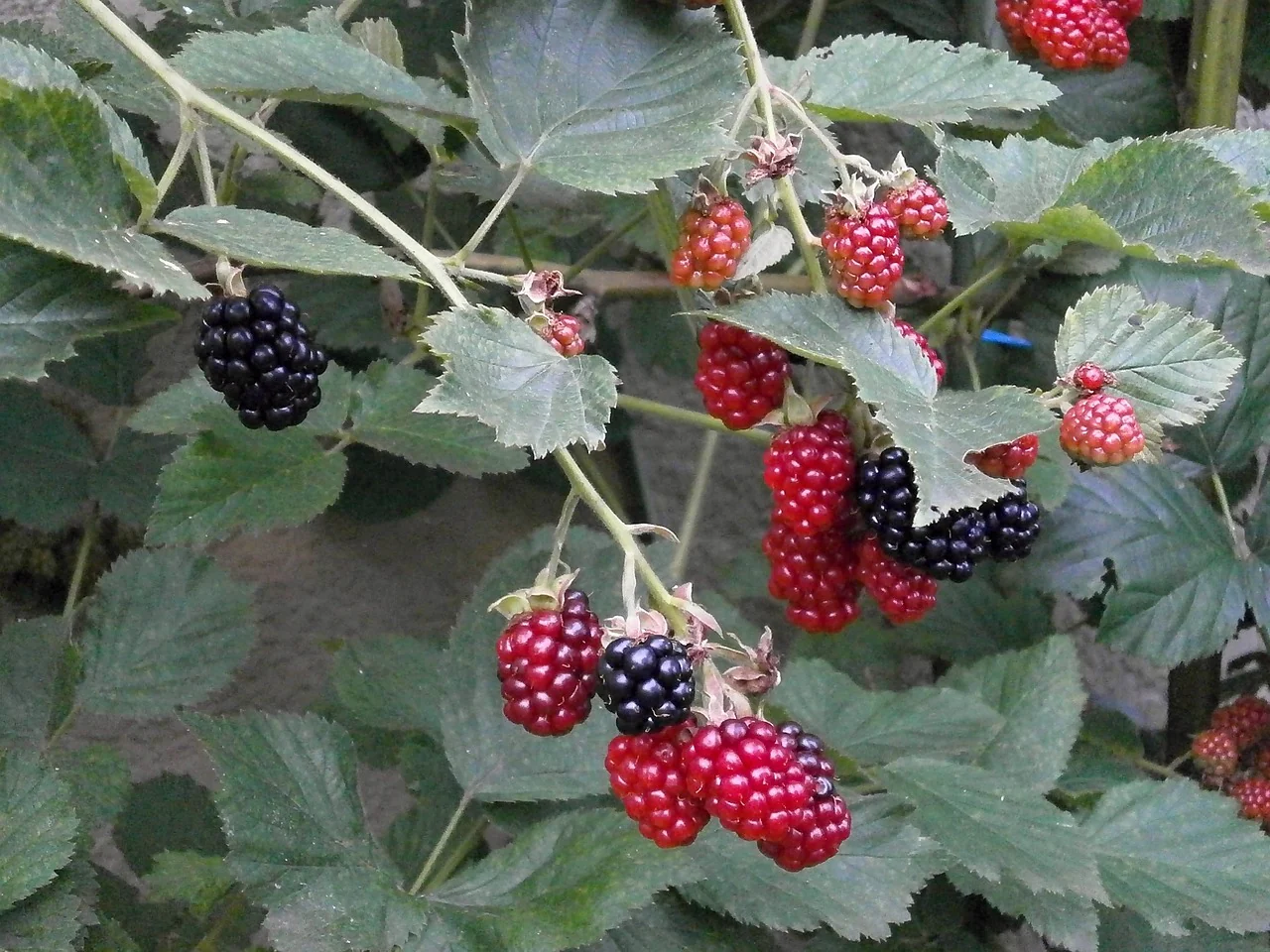
Rubus ursinus is a North American species of blackberry or dewberry, known by the common names California blackberry, California dewberry, Douglas berry, Pacific blackberry, Pacific dewberry and trailing blackberry. The plant is native to western North America.
The plant is cultivated for its fruit, and also ornamental plant qualities. It is planted in home, native plant, and wildlife gardens, and in natural landscaping projects. It can be trained on fences and trellising.
The flowers are white with narrower petals than most related species, and are fragrant. The sweet, very aromatic, edible fruits are dark purple, dark red, or black and up to 2cm (3/4") in length.
Diverse wildlife eat the berries, including songbirds, deer, bear, and other large and small mammals. It is of notable pollinator and nesting material value for native bee and bumble bee species. This blackberry species is a larval food source for Papilio rutulus (the western tiger swallowtail butterfly), Nymphalis antiopa (the mourning cloak butterfly), Strymon melinus (the gray hairstreak butterfly), and Celastrina ladon (the spring azure butterfly).
Type: Hardy shrub
Hardiness zones: 3-9
Height: 2-5', .6-1.5m
Location: Sun or part sun
Seeds per packet: 25
Product Information
Product Information
Shipping & Returns
Shipping & Returns
Description
Rubus ursinus is a North American species of blackberry or dewberry, known by the common names California blackberry, California dewberry, Douglas berry, Pacific blackberry, Pacific dewberry and trailing blackberry. The plant is native to western North America.
The plant is cultivated for its fruit, and also ornamental plant qualities. It is planted in home, native plant, and wildlife gardens, and in natural landscaping projects. It can be trained on fences and trellising.
The flowers are white with narrower petals than most related species, and are fragrant. The sweet, very aromatic, edible fruits are dark purple, dark red, or black and up to 2cm (3/4") in length.
Diverse wildlife eat the berries, including songbirds, deer, bear, and other large and small mammals. It is of notable pollinator and nesting material value for native bee and bumble bee species. This blackberry species is a larval food source for Papilio rutulus (the western tiger swallowtail butterfly), Nymphalis antiopa (the mourning cloak butterfly), Strymon melinus (the gray hairstreak butterfly), and Celastrina ladon (the spring azure butterfly).
Type: Hardy shrub
Hardiness zones: 3-9
Height: 2-5', .6-1.5m
Location: Sun or part sun
Seeds per packet: 25