Vaccinium myrtilloides <br>COMMON CANADIAN BLUEBERRY, HUCKLEBERRY
Vaccinium myrtilloides is one of the sweetest blueberries known! It is a shrub with common names including common blueberry, Canadian blueberry, velvetleaf huckleberry, and velvetleaf blueberry. It is common in much of North America, reported from all 10 Canadian provinces plus Nunavut and Northwest Territories, as well as from the northeastern and Great Lakes states in the United States. It is also known to occur in Montana and Washington.
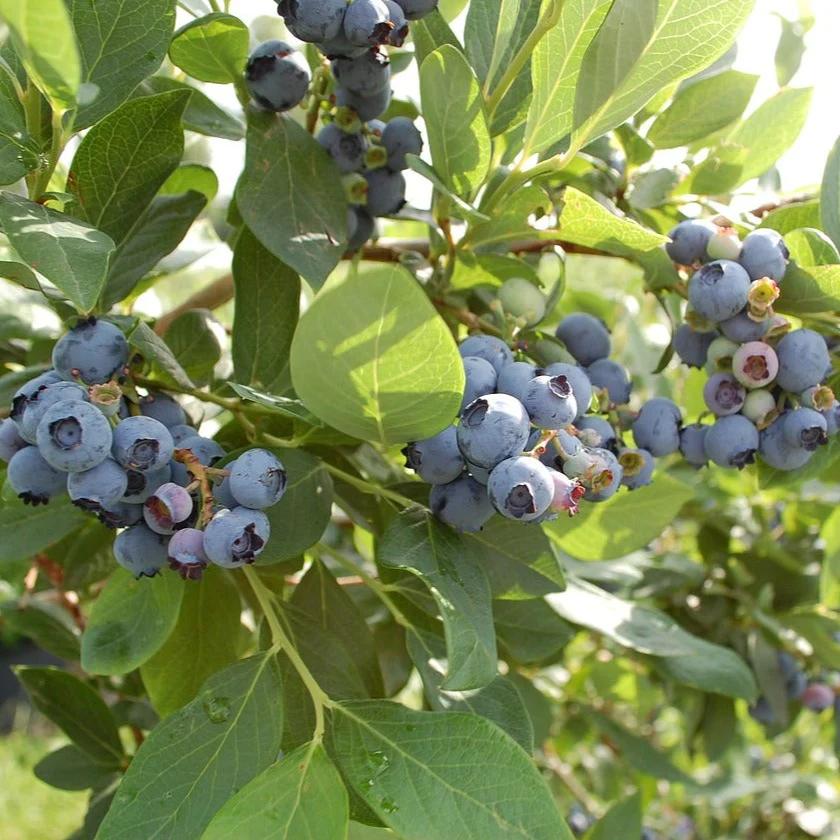
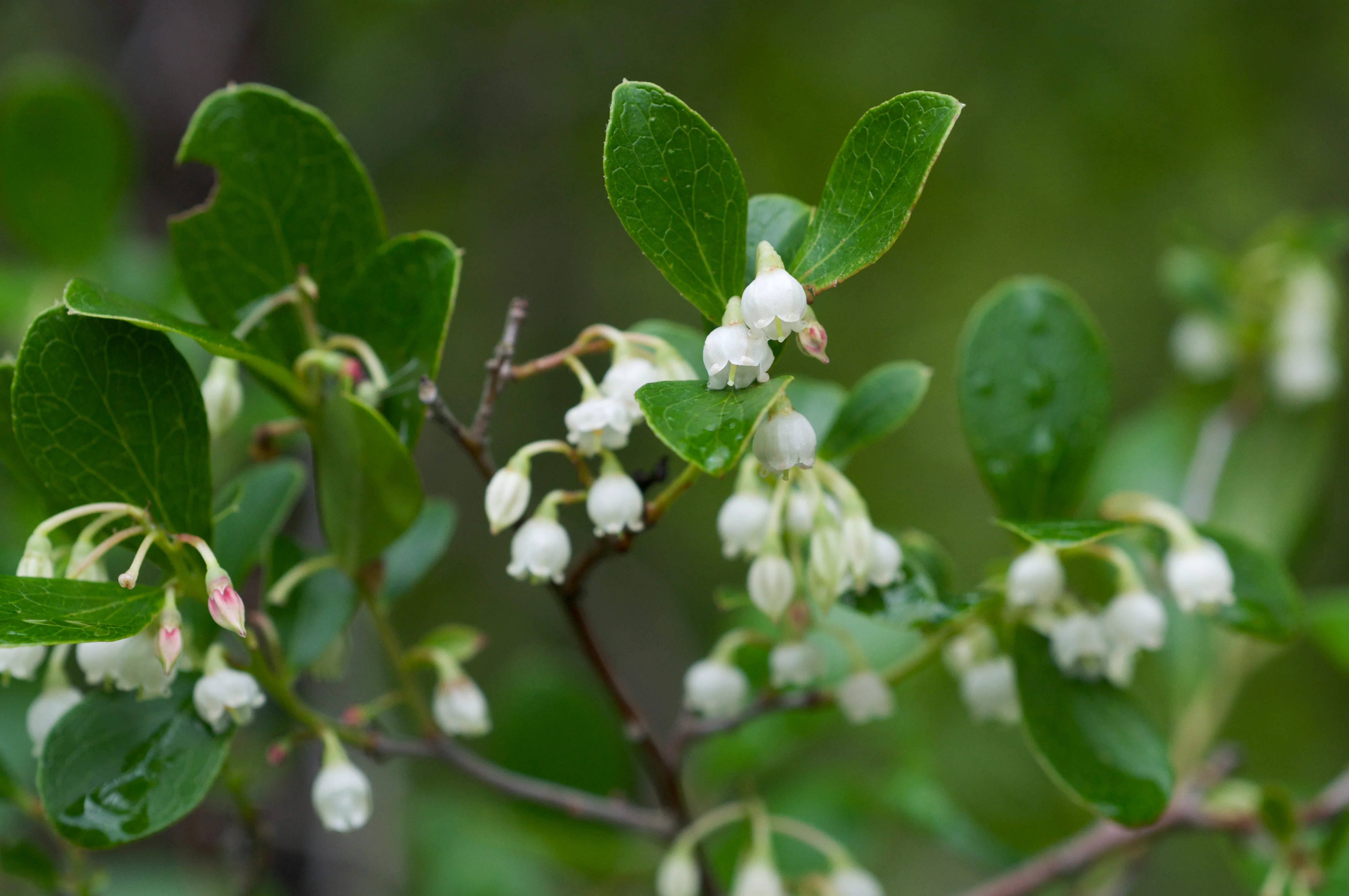
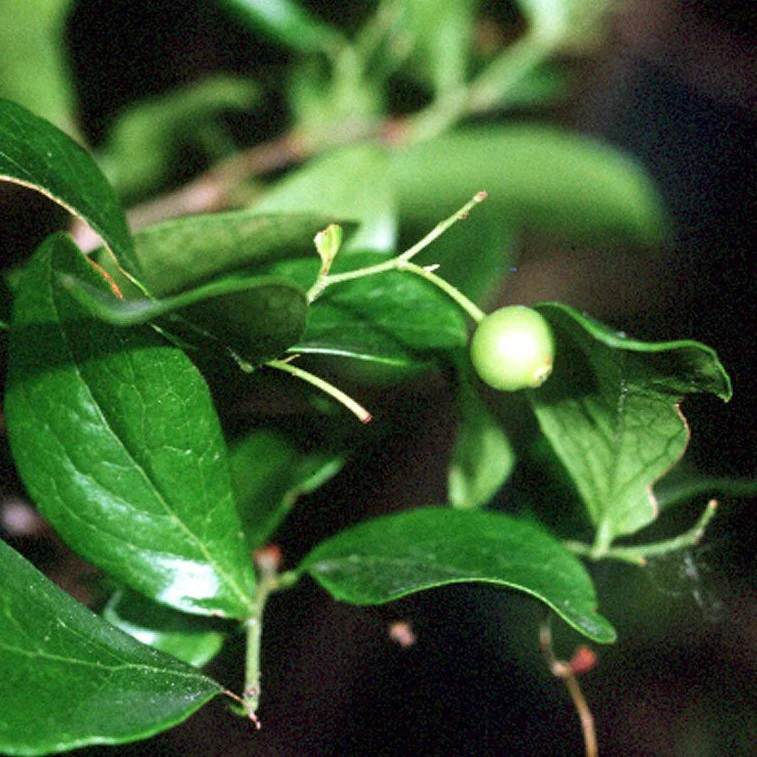
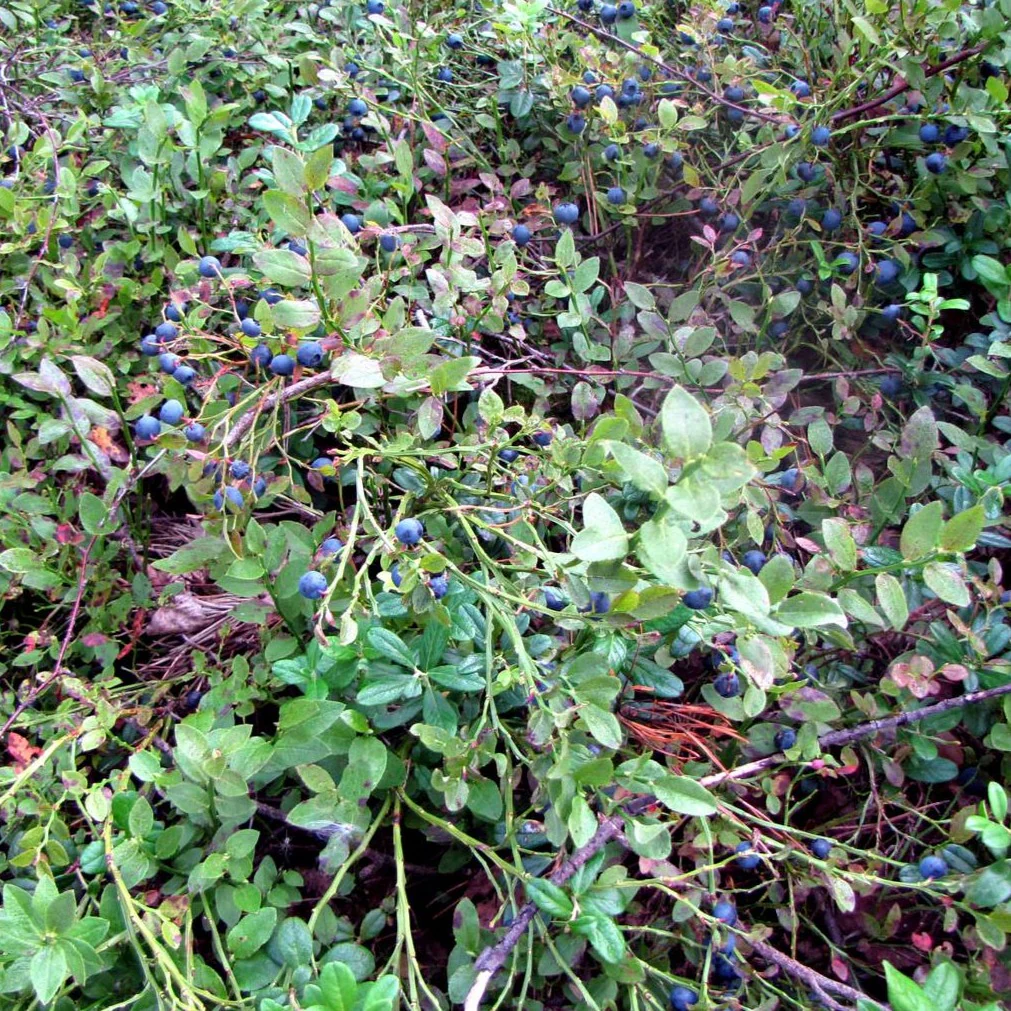
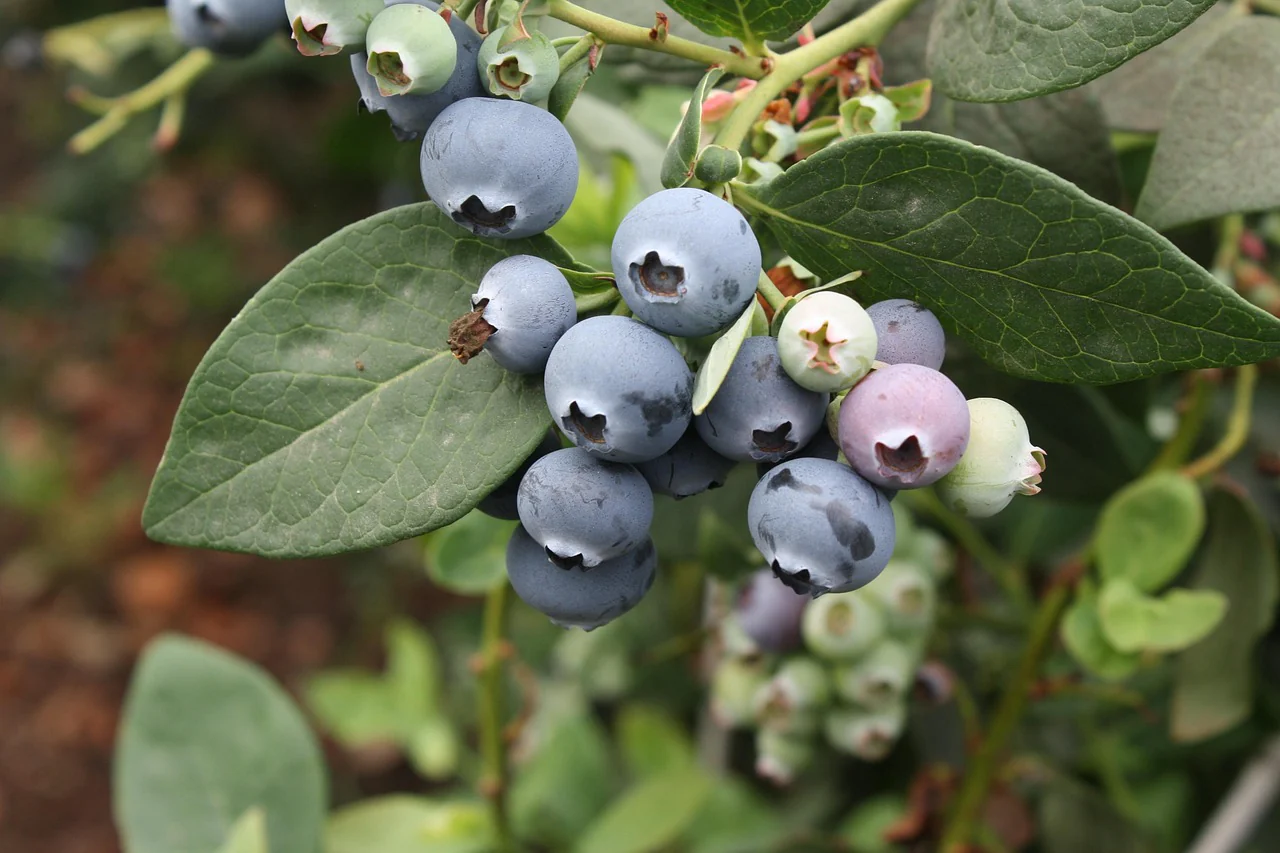
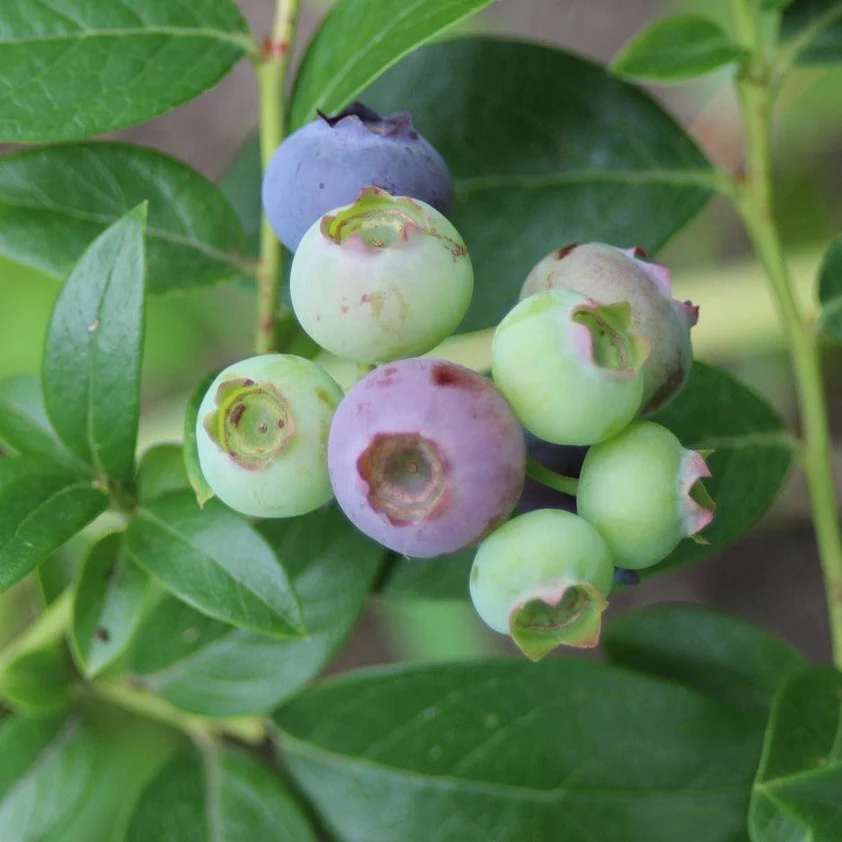
Vaccinium myrtilloides is a low spreading deciduous shrub growing up to 50 cm (20") tall, often spreading to form small thickets. The leaves are bright green, paler underneath with velvety hairs. The flowers are white, bell-shaped, 5 mm (0.2") long. The fruit is a small sweet bright blue to dark blue berry.
Vaccinium myrtilloides grows best in open coniferous woods with dry loose acidic soils; it is also found in forested bogs and rocky areas. Vaccinium myrtilloides hybridizes in the wild with Vaccinium angustifolium (lowbush blueberry).
It is cultivated and grown commercially in Canada and Maine, mainly harvested from managed wild patches.
It is also an important food source for black bears, deer, small mammals, and birds.
Type: Small hardy shrub
Hardiness zones: 2-8
Height: 50cm, 20"
Location: Full sun to part shade
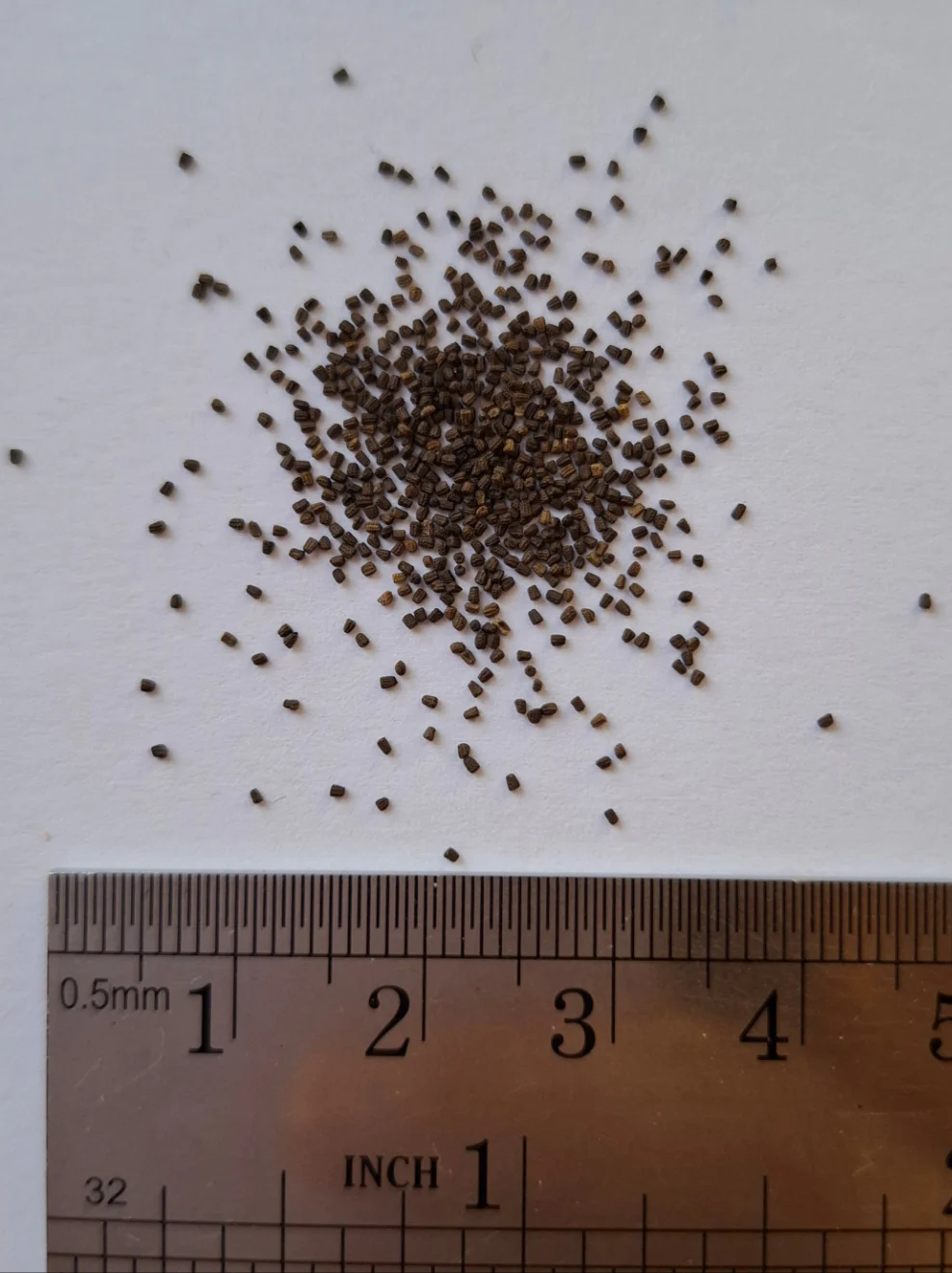
Seeds per packet: 30
Natural germination for these seeds is low at about 40%
Product Information
Product Information
Shipping & Returns
Shipping & Returns
Vaccinium myrtilloides <br>COMMON CANADIAN BLUEBERRY, HUCKLEBERRY
Vaccinium myrtilloides <br>COMMON CANADIAN BLUEBERRY, HUCKLEBERRY
Vaccinium myrtilloides is one of the sweetest blueberries known! It is a shrub with common names including common blueberry, Canadian blueberry, velvetleaf huckleberry, and velvetleaf blueberry. It is common in much of North America, reported from all 10 Canadian provinces plus Nunavut and Northwest Territories, as well as from the northeastern and Great Lakes states in the United States. It is also known to occur in Montana and Washington.
Vaccinium myrtilloides is a low spreading deciduous shrub growing up to 50 cm (20") tall, often spreading to form small thickets. The leaves are bright green, paler underneath with velvety hairs. The flowers are white, bell-shaped, 5 mm (0.2") long. The fruit is a small sweet bright blue to dark blue berry.
Vaccinium myrtilloides grows best in open coniferous woods with dry loose acidic soils; it is also found in forested bogs and rocky areas. Vaccinium myrtilloides hybridizes in the wild with Vaccinium angustifolium (lowbush blueberry).
It is cultivated and grown commercially in Canada and Maine, mainly harvested from managed wild patches.
It is also an important food source for black bears, deer, small mammals, and birds.
Type: Small hardy shrub
Hardiness zones: 2-8
Height: 50cm, 20"
Location: Full sun to part shade
Seeds per packet: 30
Natural germination for these seeds is low at about 40%
Product Information
Product Information
Shipping & Returns
Shipping & Returns
Description
Vaccinium myrtilloides is one of the sweetest blueberries known! It is a shrub with common names including common blueberry, Canadian blueberry, velvetleaf huckleberry, and velvetleaf blueberry. It is common in much of North America, reported from all 10 Canadian provinces plus Nunavut and Northwest Territories, as well as from the northeastern and Great Lakes states in the United States. It is also known to occur in Montana and Washington.
Vaccinium myrtilloides is a low spreading deciduous shrub growing up to 50 cm (20") tall, often spreading to form small thickets. The leaves are bright green, paler underneath with velvety hairs. The flowers are white, bell-shaped, 5 mm (0.2") long. The fruit is a small sweet bright blue to dark blue berry.
Vaccinium myrtilloides grows best in open coniferous woods with dry loose acidic soils; it is also found in forested bogs and rocky areas. Vaccinium myrtilloides hybridizes in the wild with Vaccinium angustifolium (lowbush blueberry).
It is cultivated and grown commercially in Canada and Maine, mainly harvested from managed wild patches.
It is also an important food source for black bears, deer, small mammals, and birds.
Type: Small hardy shrub
Hardiness zones: 2-8
Height: 50cm, 20"
Location: Full sun to part shade
Seeds per packet: 30
Natural germination for these seeds is low at about 40%