Cynoglossum officinale <br>DOG'S TONGUE, HOUND'S TONGUE
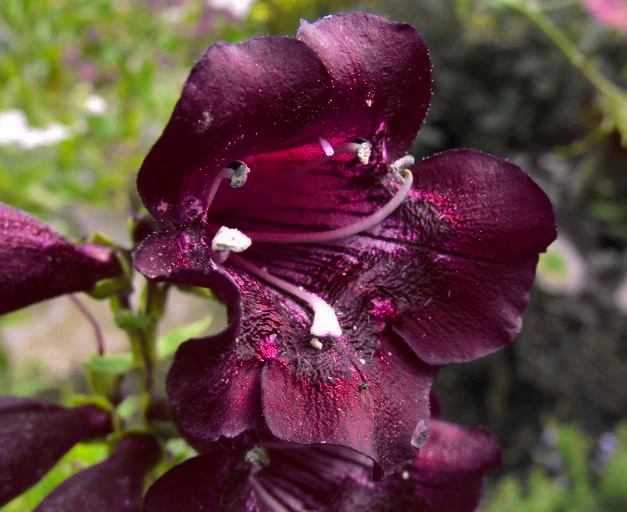
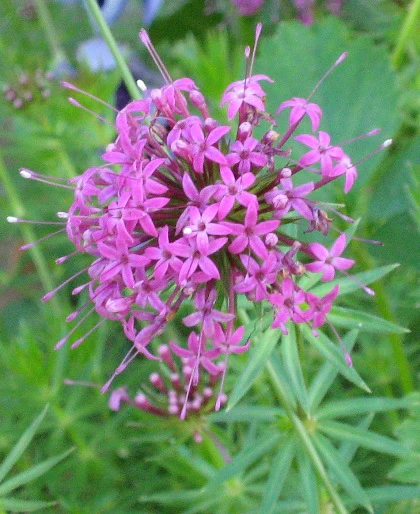
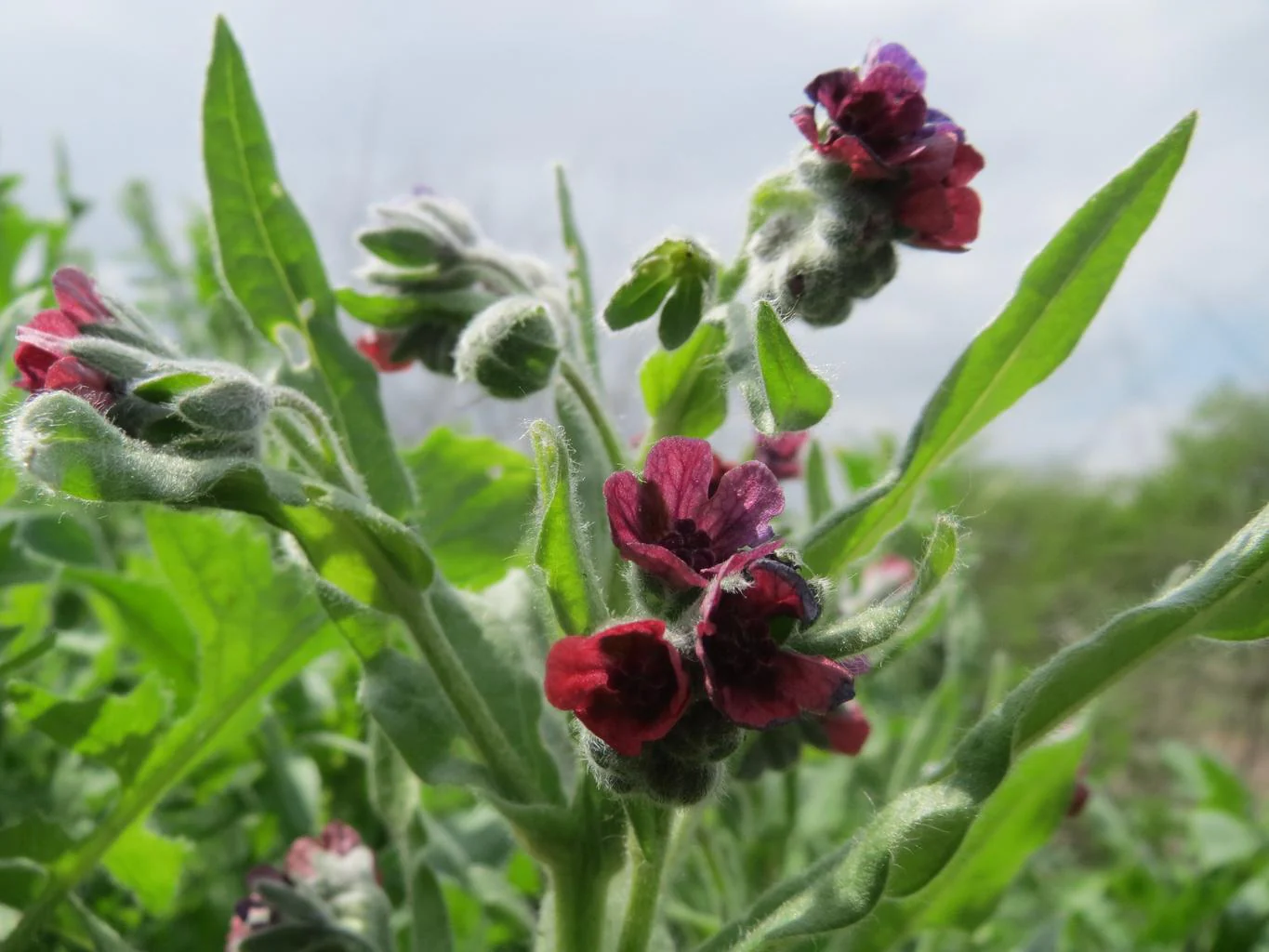
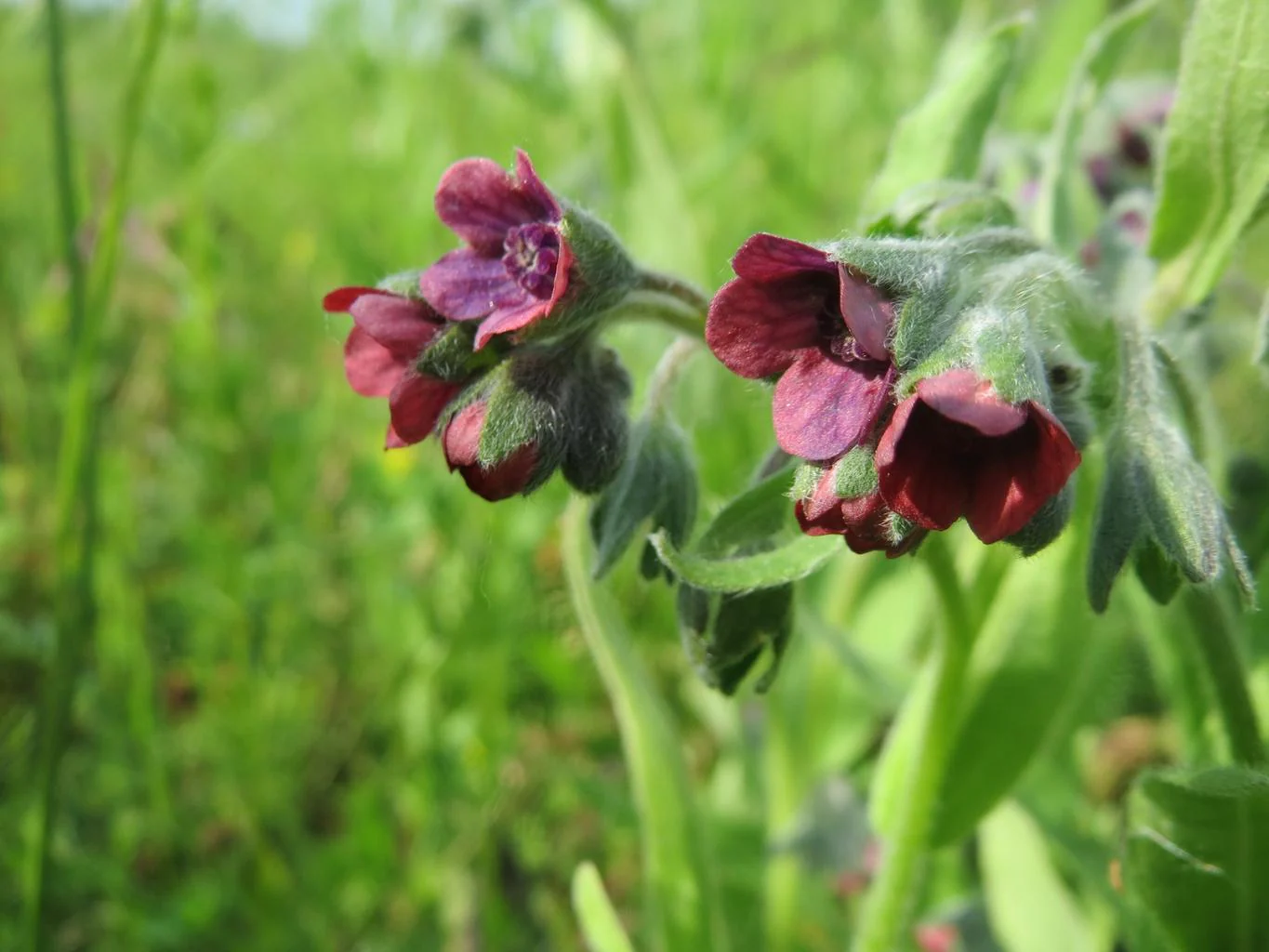
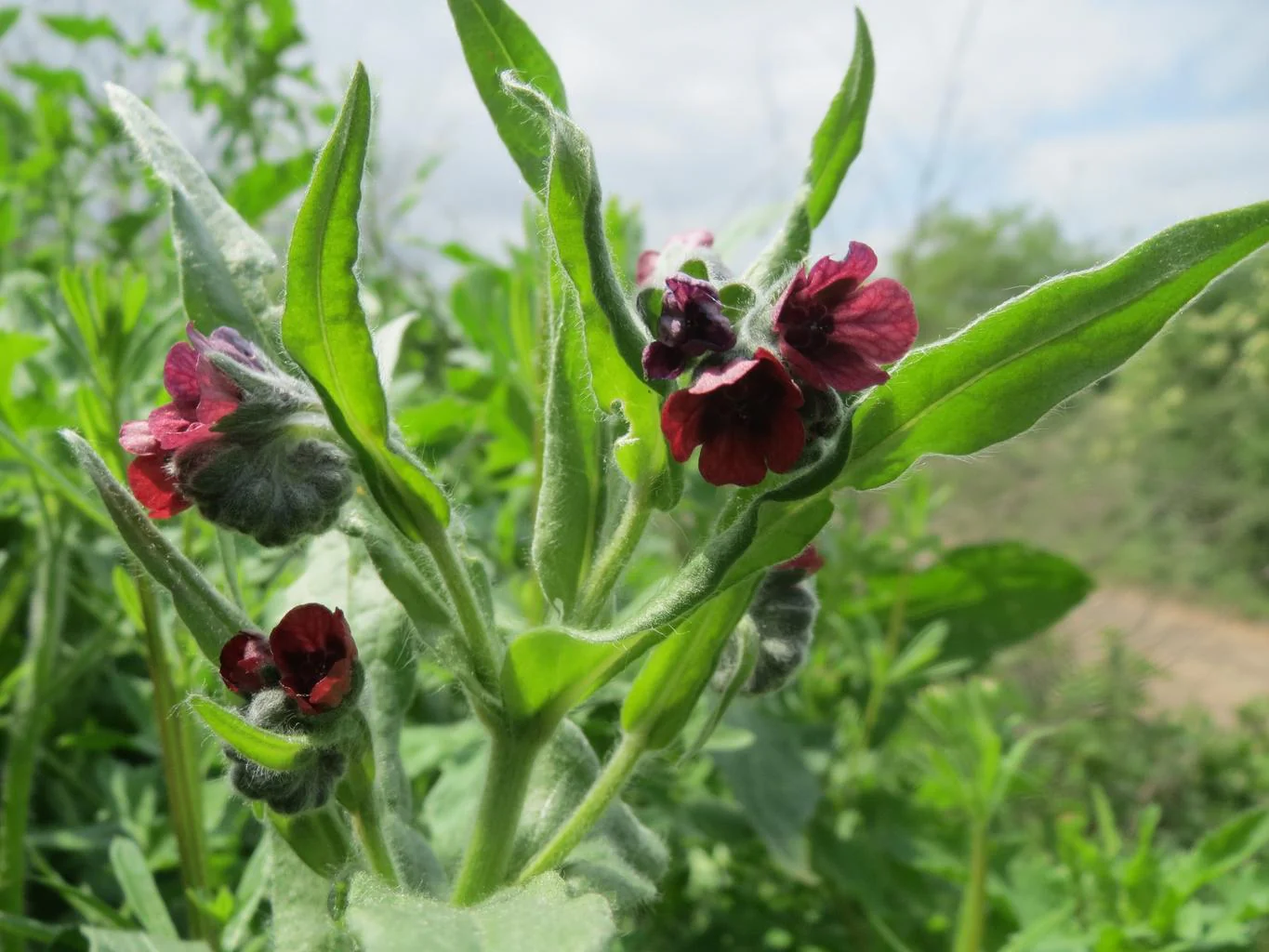
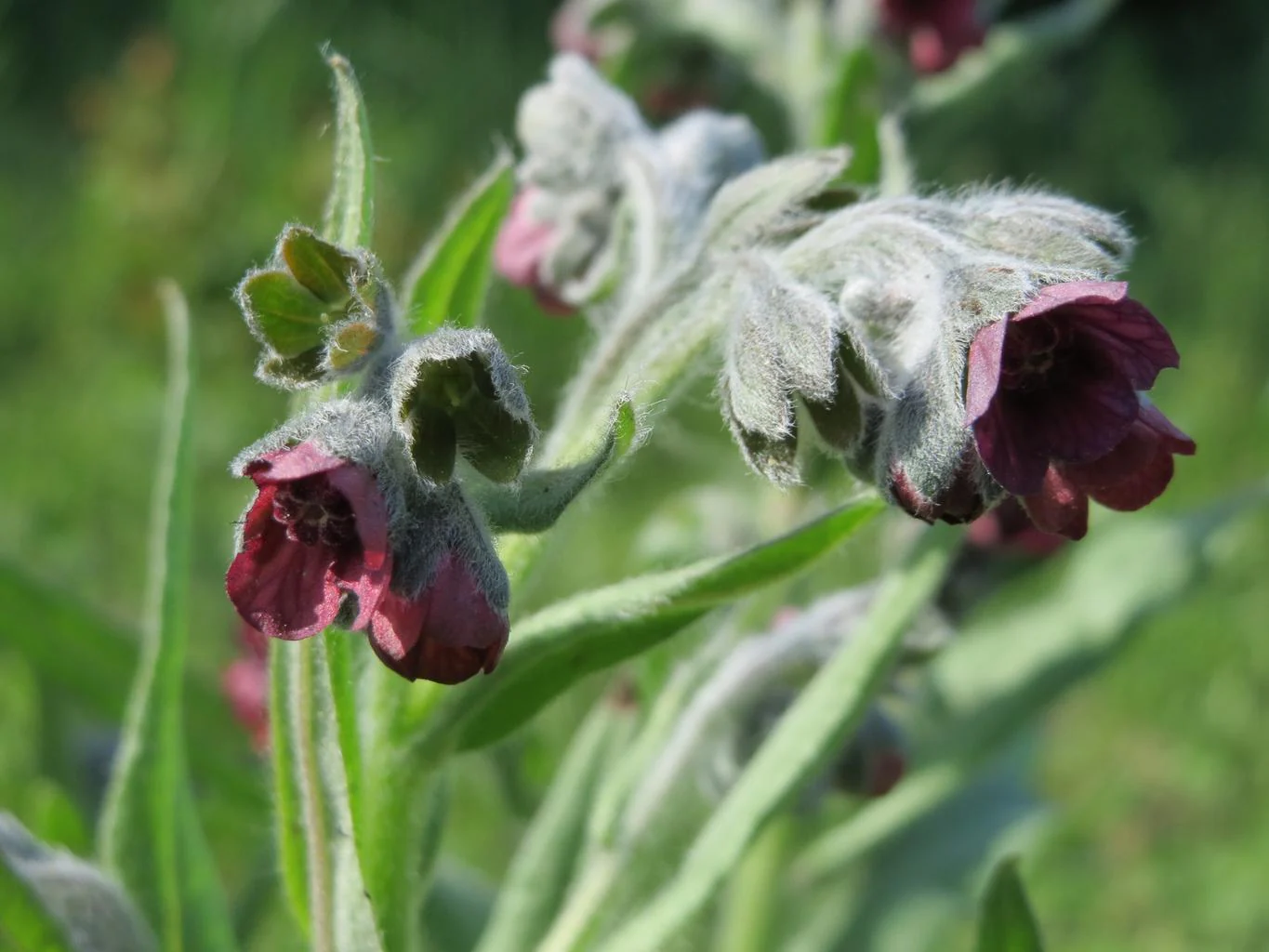
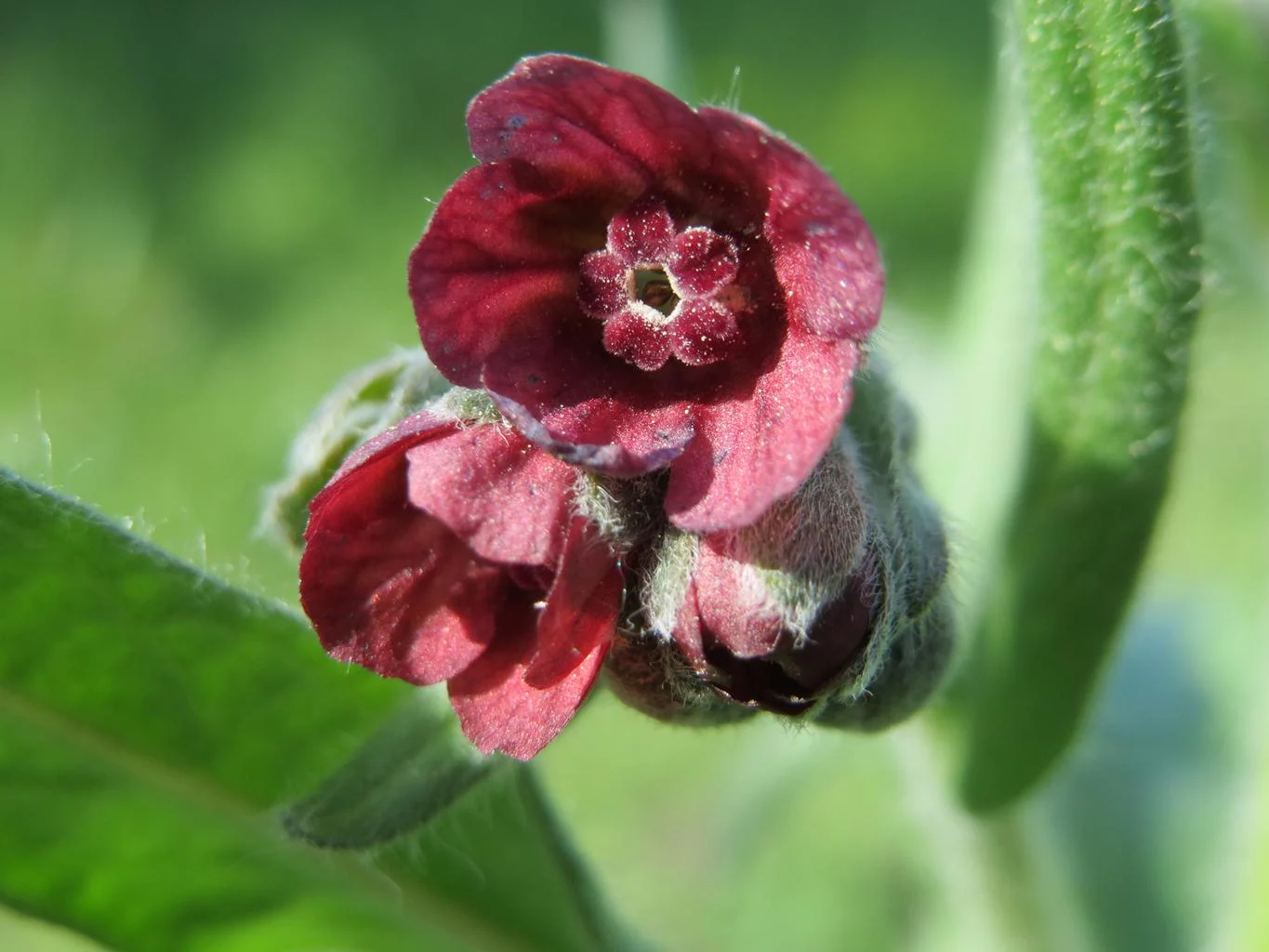
Cynoglossum officinale is also known as houndstongue, houndstooth, dog's tongue, gypsy flower. Reddish-purple funnel-shaped flowers bloom between May and September. The leaves are greyish and softly haired.
The plant owes its common and scientific name to the long greyish leaves that are reminiscent of a dog's tongue and were once given as a remedy for dog bites.
Found in most parts of Europe, and also North America, where it was accidentally introduced. It lives in wet places, sand dunes, waste land and hedges. In BC it is considered in invasive and should only be considered for use in controlled rural areas away from native areas and wild lands.
Type: Hardy perennial
Hardiness zones: 5-9
Height: 30", 75cm
Location: Sun
Seeds per packet: 10
Product Information
Product Information
Shipping & Returns
Shipping & Returns
Cynoglossum officinale <br>DOG'S TONGUE, HOUND'S TONGUE
Cynoglossum officinale <br>DOG'S TONGUE, HOUND'S TONGUE
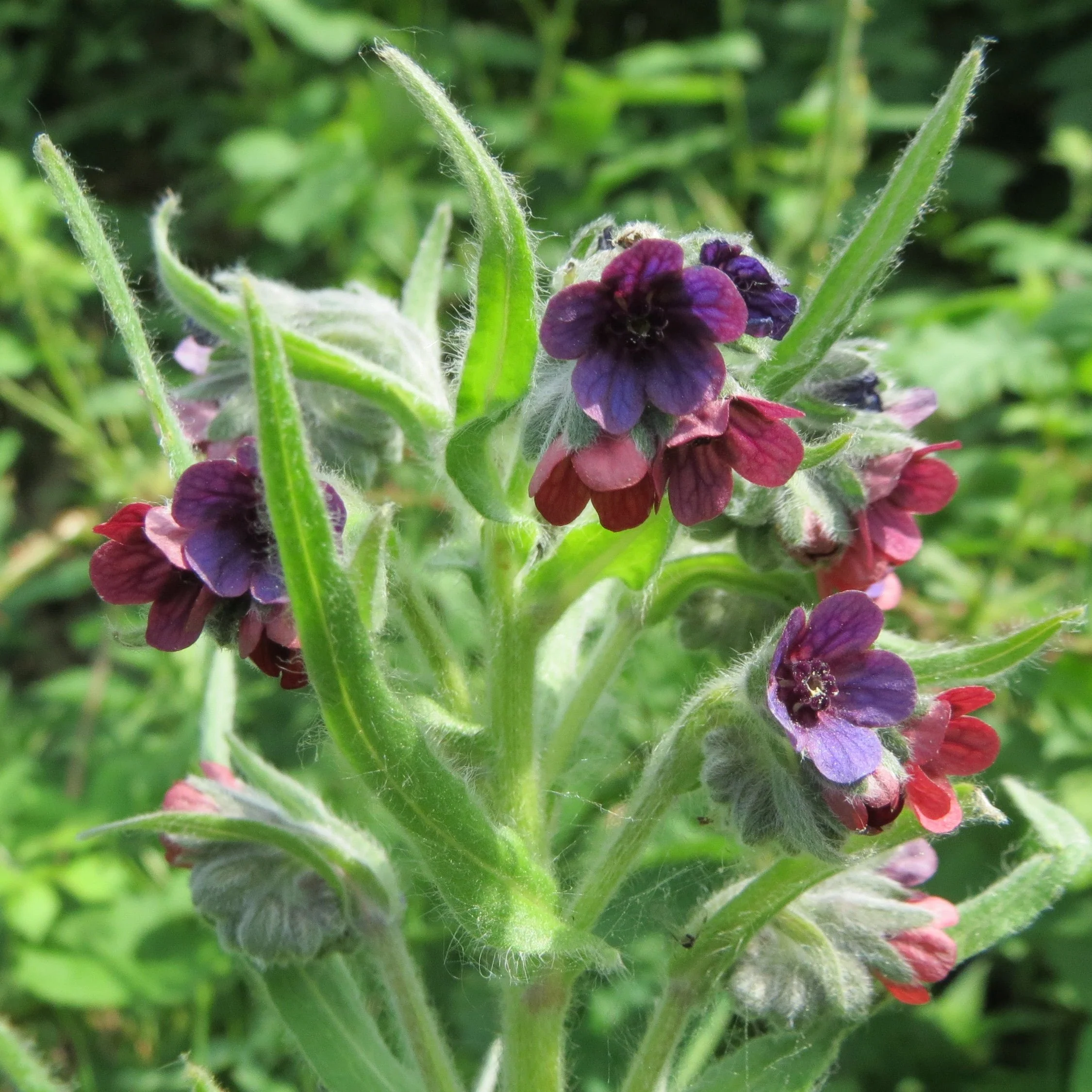
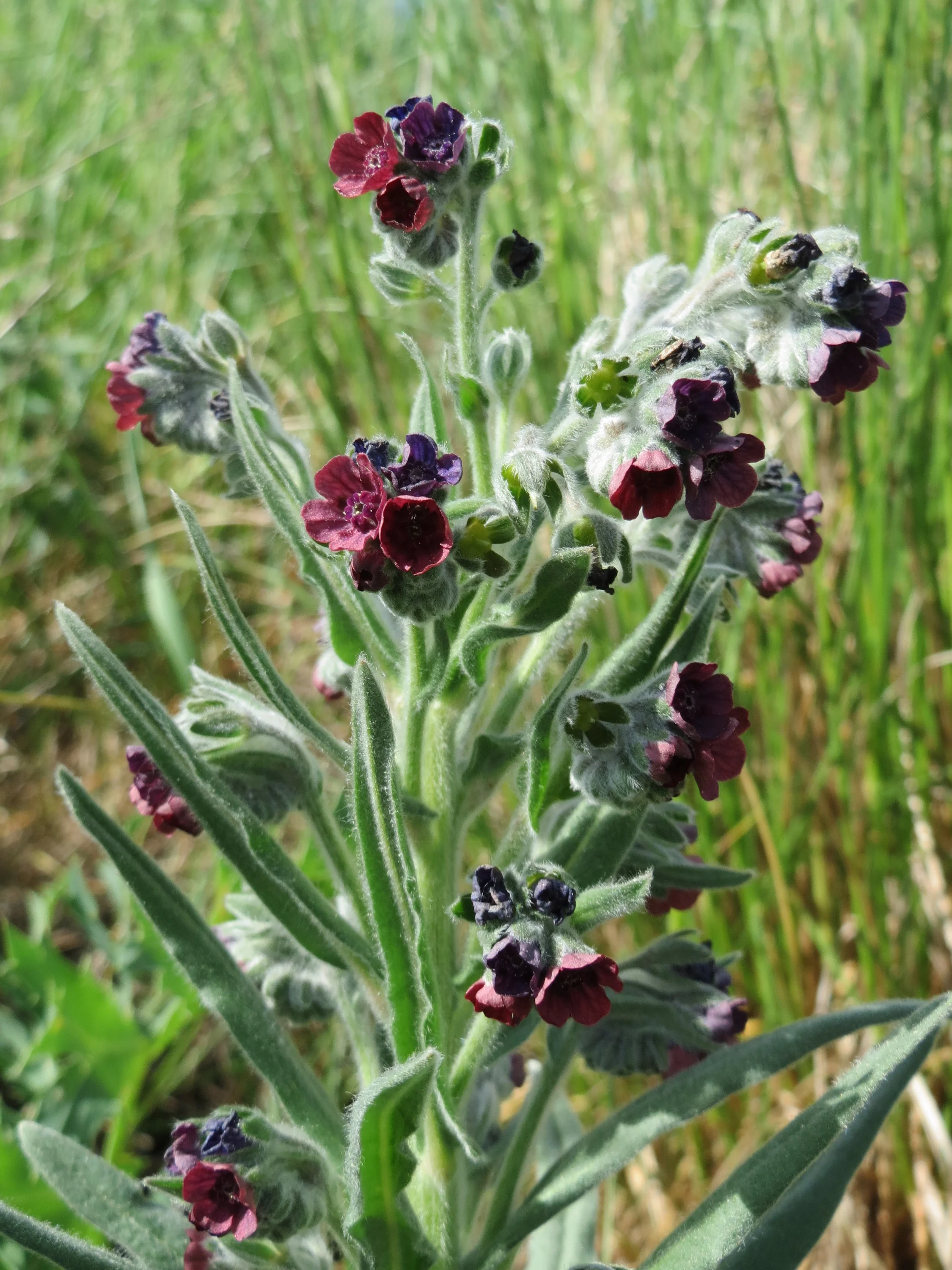
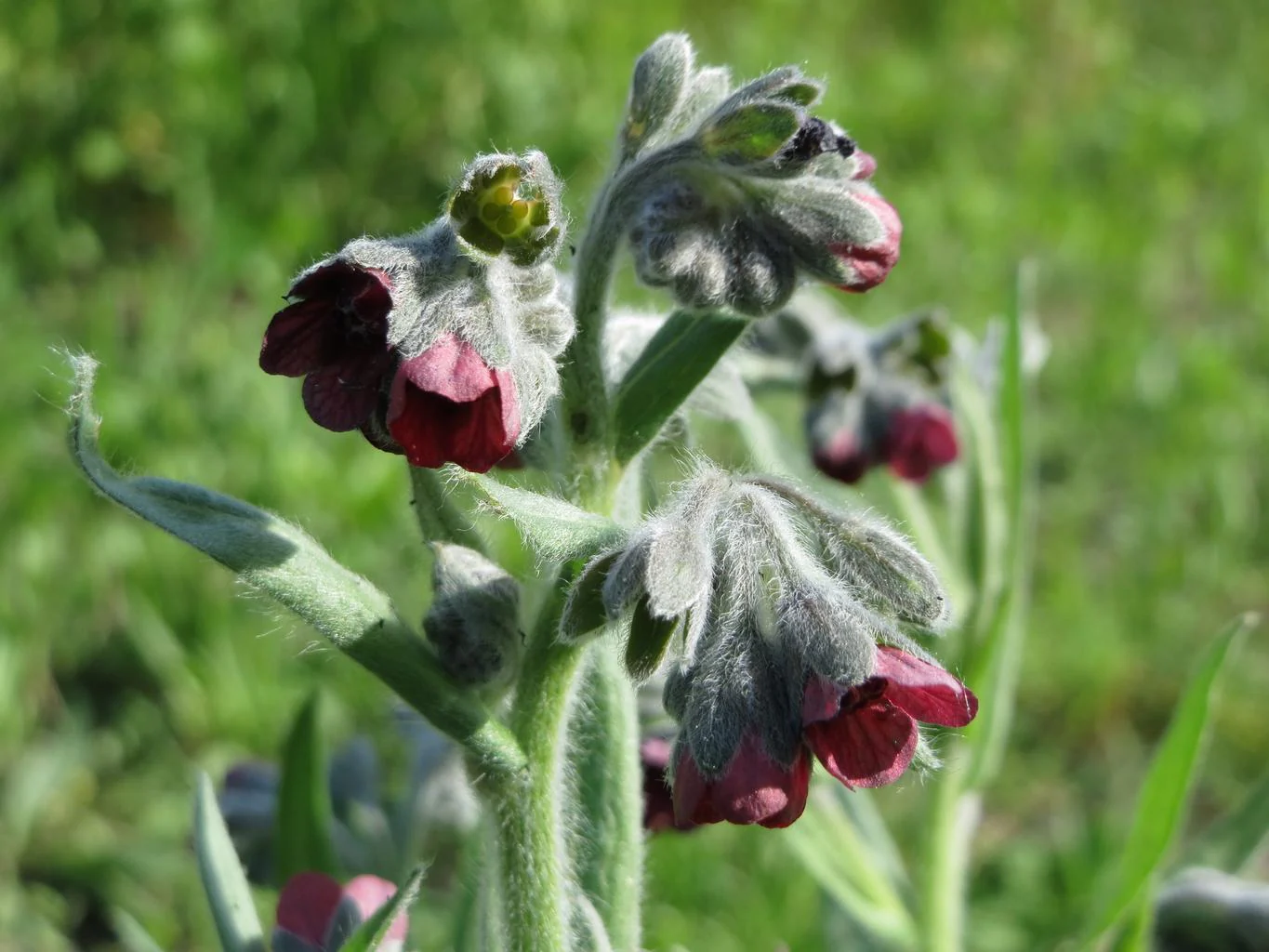
Cynoglossum officinale is also known as houndstongue, houndstooth, dog's tongue, gypsy flower. Reddish-purple funnel-shaped flowers bloom between May and September. The leaves are greyish and softly haired.
The plant owes its common and scientific name to the long greyish leaves that are reminiscent of a dog's tongue and were once given as a remedy for dog bites.
Found in most parts of Europe, and also North America, where it was accidentally introduced. It lives in wet places, sand dunes, waste land and hedges. In BC it is considered in invasive and should only be considered for use in controlled rural areas away from native areas and wild lands.
Type: Hardy perennial
Hardiness zones: 5-9
Height: 30", 75cm
Location: Sun
Seeds per packet: 10
Product Information
Product Information
Shipping & Returns
Shipping & Returns
Description
Cynoglossum officinale is also known as houndstongue, houndstooth, dog's tongue, gypsy flower. Reddish-purple funnel-shaped flowers bloom between May and September. The leaves are greyish and softly haired.
The plant owes its common and scientific name to the long greyish leaves that are reminiscent of a dog's tongue and were once given as a remedy for dog bites.
Found in most parts of Europe, and also North America, where it was accidentally introduced. It lives in wet places, sand dunes, waste land and hedges. In BC it is considered in invasive and should only be considered for use in controlled rural areas away from native areas and wild lands.
Type: Hardy perennial
Hardiness zones: 5-9
Height: 30", 75cm
Location: Sun
Seeds per packet: 10